Watan Chat · watanchat.com
Afghan Girls Schools: What Is Happening Now
Searches for Afghan girls schools have surged because classrooms for many adolescent girls remain closed beyond primary level. This page summarizes the current situation in plain language and points readers to related education topics - plus a respectful community space on Watan Chat to discuss Afghanistan’s future.
Watan Chat is a community room - use it to discuss education and culture respectfully. For official policy updates, follow UN/UNESCO reporting.
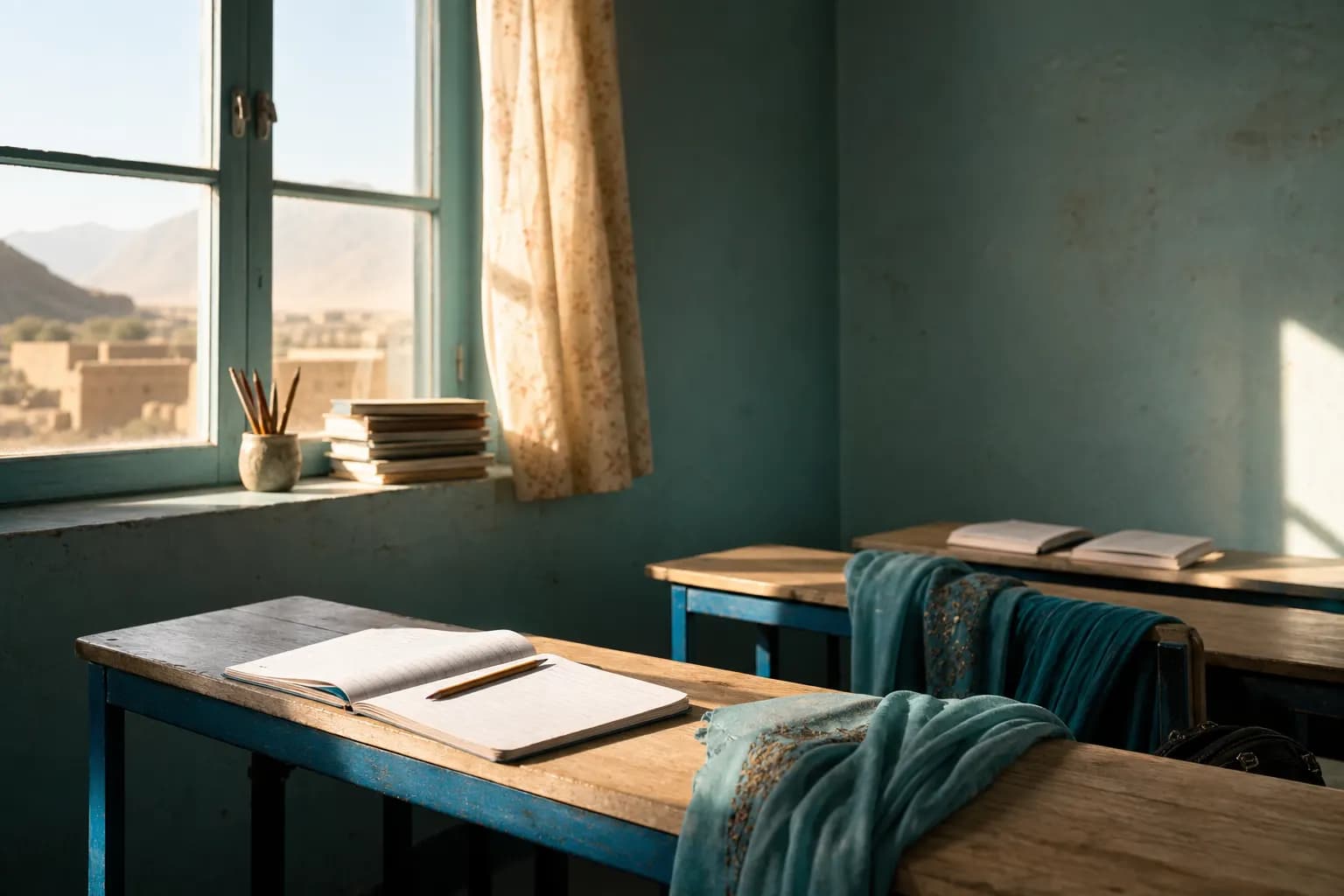
Current status of Afghan girls schools
Since 2021, authorities have barred most girls from secondary school (generally beyond grade six) and later blocked women from universities. Afghanistan is widely described by UN agencies as the only country that systematically bans secondary and higher education for girls and women.
Primary access still exists for many younger girls, but the secondary cutoff means Afghan girls schools stop being a pathway to careers, teacher training, and higher study for millions of adolescents.
How large is the impact?
UN reporting in 2025-2026 has warned that millions of girls are out of school. Figures cited by UN officials include roughly 2.2 million girls blocked beyond primary in earlier tallies, and broader estimates approaching about 3.8 million girls aged 7-18 out of school under current restrictions - with hundreds of thousands more permanently excluded from secondary pathways each year.
UNESCO and UNICEF also warn of a wider learning crisis: weak foundational literacy, damaged teacher pipelines, and long-term economic loss if Afghan girls schools do not reopen.
- Secondary Afghan girls schools largely remain closed
- Universities remain closed to women under current rules
- Alternative options (community classes, some madrassas) cannot fully replace formal schools
- International agencies call for unconditional reopening
What families are doing while schools stay closed
Where possible, families seek community-based learning, private tutoring, or religious schools. Students and teachers repeatedly say these options are not equal to reopened Afghan girls schools with a full curriculum.
Diaspora communities also share news, fundraising ideas, and advocacy - conversations that often start online.
Why Watan Chat covers Afghan girls schools
Watan Chat is an Afghan community platform on watanchat.com. We publish clear pages on Afghan girls schools so searchers find factual context - and so members can talk about education, culture, and hope without losing the thread in random chat noise.
If you want to keep reading, see our pages on girls education in Afghanistan and schools in Afghanistan today.
Frequently asked questions
Are Afghan girls schools open in 2026?
Many primary classrooms operate, but secondary Afghan girls schools beyond early grades remain broadly banned, and universities remain closed to women according to UN and major news reporting.
How many girls are affected?
UN agencies have cited multi-million figures - including about 2.2 million blocked beyond primary and broader estimates of roughly 3.8 million girls aged 7-18 out of school. Exact totals vary by methodology and year.
Can online classes replace Afghan girls schools?
Remote and community learning help some students, but agencies and families emphasize they are not a full substitute for reopened formal Afghan girls schools.
Related Afghan chat pages
Internal links across Watan Chat keyword pages on watanchat.com. Useful for visitors and crawlers.
- girls education AfghanistanGirls education Afghanistan explained: secondary bans, literacy risks, and UN warnings. Clear overview on wata…
- schools in AfghanistanSchools in Afghanistan today: what remains open, what is closed for girls, and how learning gaps grow. Factual…
- Afghan networkBuild your Afghan network on Watan Chat (watanchat.com). Meet Afghans worldwide through live chat, whispers, p…
- Afghan chatJoin Afghan chat on Watan Chat (watanchat.com). Free live Afghan chat with guests, whispers, games, voice note…